

When the World Burns, India Must Not Sleep!
PM Narendra Modi’s Parliament address on the Middle East crisis was not a speech— it was a warning
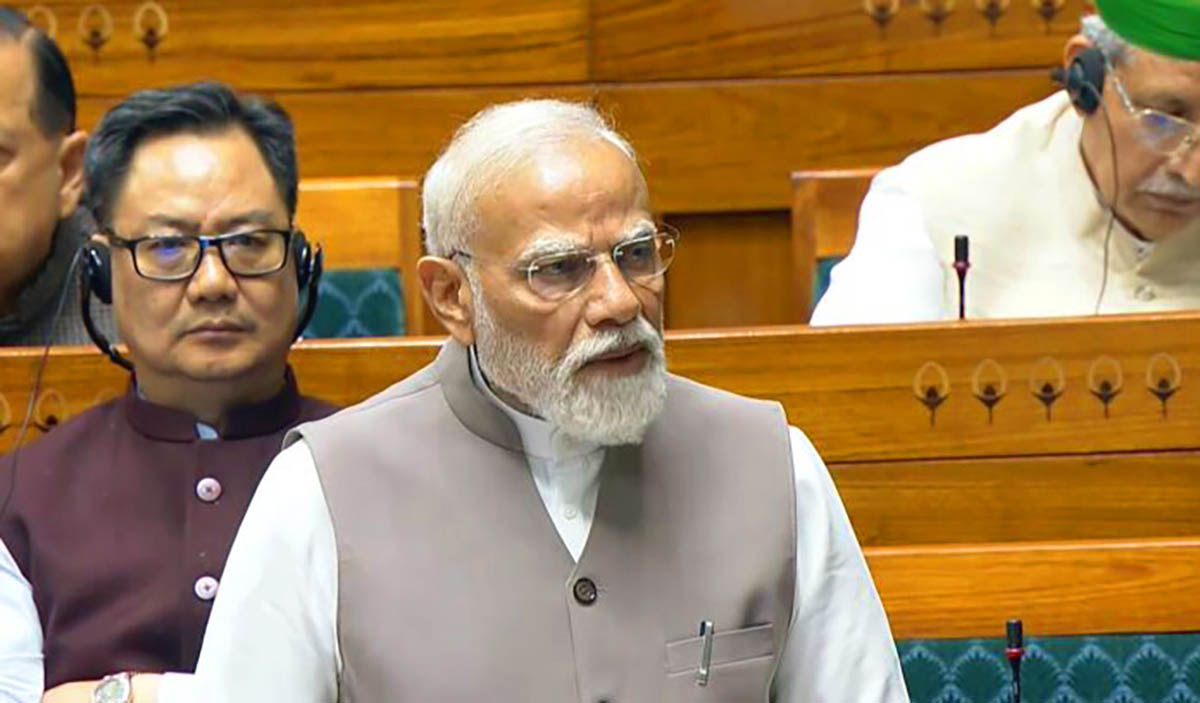
The Strait of Hormuz is roughly 33 kilometres wide at its narrowest point. Through that slender corridor passes nearly a fifth of the world’s oil. When Prime Minister Narendra Modi stood in the Lok Sabha (Parliament) on Monday 23 March to speak about the war in West Asia, that corridor— and everything India pumps, cooks, and grows— was at the center of his address.
His tone was measured. His message was not.
“The situation in West Asia is worrisome,” he told Parliament, adding that India must brace itself for long-term consequences. This was not political theatre. It was a country’s leader telling its lawmakers, in plain terms: the fire is far away, but the smoke is already here.
The Strait Of Hormuz Problem
For most Indians, Middle East conjures images of relatives working in Dubai or Qatar— not a geopolitical chokepoint. But the two are deeply connected. India imports crude oil and natural gas through the Persian Gulf. It imports fertilizers through the same waters. And it sends roughly one crore of its citizens to work in those Gulf nations, many of whom send money back home to families in Kerala, Tamil Nadu, Punjab, and Uttar Pradesh.
Modi told Parliament that attacks on commercial ships have made movement through the Strait of Hormuz increasingly difficult. He called it “unacceptable.” Indian vessels, he said, have been stranded. Shipping routes are being monitored around the clock. Security at coastal zones, cyber networks, and strategic installations has been heightened.
The language was diplomatic. The reality is that India’s kitchen table is closer to the Persian Gulf than most people realize.

Indians in the Fire
More than 75,000 Indians have already returned home since the conflict escalated — including over 700 medical students from Iran. The Prime Minister said he has personally spoken to authorities in the region to secure assurances for Indian nationals. Indian missions are issuing regular advisories.
But some have not made it back unharmed. Modi acknowledged lives lost and injuries suffered. “Whether Indian workers or tourists, everyone is being helped,” he said. The safety of Indians remains the government’s stated top priority.
Ten million Indians live and work in the Gulf. Their safety is not just a humanitarian concern — it is an economic one. The remittances they send home are a lifeline for millions of Indian families.
Fuel, Fertilizers, and the LPG Question
This is where the speech became most consequential for the average Indian.
Sixty per cent of India’s LPG demand is met through imports. Fertilizers — which Indian farmers depend on for every Rabi and Kharif season — are under stress because of supply disruptions in the Hormuz corridor. Crude oil prices are edging upward as the conflict drags on.
Modi offered what reassurances he could: India now sources energy from 41 countries, reducing dependence on any single region. Ethanol blending in petrol has reached 20 per cent, providing a domestic buffer. India holds 53 lakh metric tonnes of strategic fuel reserves. Power plants, he said, have adequate stock.
These are not small achievements. But they are also not immunity. If the war stretches— and there is little indication it will end soon — the pressure on supply chains, fuel prices, and food production costs will mount.
The Longer Game
Modi ended where he began— on the side of diplomacy. Dialogue is the only answer, he said. India is not a party to this war, but it cannot afford to be indifferent to it.
What the speech revealed, between the lines, is that India has been preparing quietly. Diversifying energy sources. Building reserves. Evacuating citizens. Working back channels. These are the unglamorous, unannounced actions of a country that has learned it cannot afford to be caught flat-footed.
The Middle East crisis is not India’s war. But its consequences— at the pump, on the farm, in Gulf family WhatsApp groups— belong entirely to India.
The Prime Minister did not ask for panic. He asked for preparation. And on Monday, he told Parliament exactly what that preparation looks like.