

‘A Day Late, A Life Saved’: The Human Tragedy Behind Indore’s EV Fire That Killed 6
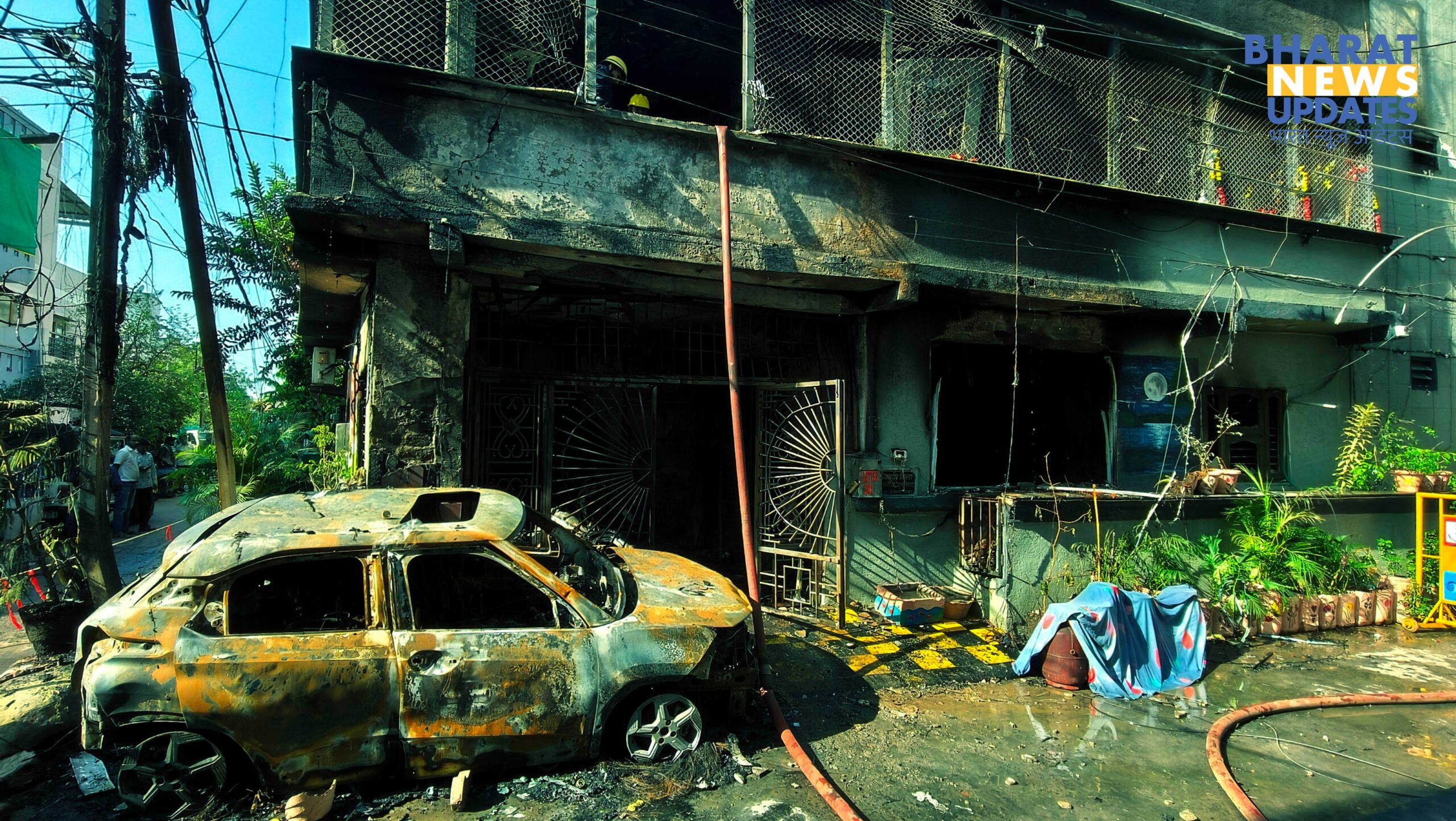
In the quiet hours of Wednesday morning, a home in Indore’s Brijeshwari Colony became a death trap. A fire, sparked by an electric vehicle charger, ripped through the Manoj Pugaliya residence – Arham Villa, killing six members of the same family. But in the midst of this devastating tragedy, a sliver of fate spared one life: the family’s newlywed daughter-in-law.
The 4 AM blaze wasn’t just a random accident; it was a perfect storm of modern vulnerabilities—a faulty charging point, a stockpile of LPG cylinders, and technology that failed when it was needed most.
The Twist of Fate That Saved Sakhi
Sakhi had married Soumil Pugaliya on January 23. Like many newlyweds, she was visiting her parental home after the wedding. The family was eagerly awaiting her return to hold a formal welcome ceremony. According to relatives, Sakhi was originally supposed to come back on Tuesday. However, the family decided to postpone the journey by a day, deeming Tuesday inauspicious for the homecoming.
That single decision, based on tradition, saved her life. By the time the fire consumed the house early Wednesday morning, Sakhi was still safely away from the city. The ceremony that was meant to welcome her turned into a funeral for the rest of the family.

A Short Circuit and a ‘Bomb’ of Cylinders
The tragedy began with a routine task: charging an electric car parked outside the house. Witnesses and police reports indicate that a short circuit occurred at the charging point around 4 AM. The spark quickly ignited the vehicle, and the flames leaped toward the building.
But the real fuel for the disaster was inside. The family had recently stocked over ten LPG cylinders in preparation for the catering needed for Sakhi’s welcome function. As the fire spread, these cylinders began to explode, one after another. Neighbors described the scene as a war zone, with loud blasts rocking the neighborhood and flames shooting high into the air, making it impossible to approach the house.
The ‘Smart’ Lock That Became a Cage
As the family slept, the fire triggered a power outage in the house. In modern homes, this is usually an inconvenience. For the Pugaliya family, it was a death sentence.
The house was equipped with electronic door locks. When the electricity failed, the magnetic locks seized up, refusing to open. The family, awake and trapped by the growing fire, found themselves prisoners in their own home. They couldn’t escape through the doors, and the heat and explosions prevented any rescue from the windows.
Firefighters and neighbors worked frantically to break the doors down, but by the time they breached the entrance, the six family members inside had already succumbed to the smoke and burns. The very technology meant to secure the home had turned it into a sealed tomb.
Minister Vijaywargiya’s Directive: Time for an SOP
As the sun rose over the rubble, Madhya Pradesh Minister Kailash Vijayvargiya arrived at the site to assess the damage and meet the grieving relatives.
Visibly moved by the scale of the tragedy and the nature of the technical failures, Vijayvargiya addressed the media. “This incident is very sad and alarming,” he stated. “The fire was triggered by the charging point of the EV, which is a matter of concern for all of us who are moving toward electric mobility.”
He acknowledged that this was a new kind of urban hazard that current safety regulations may not fully address. To prevent a recurrence, the minister announced a formal investigation.

“We have asked the officials to constitute an expert committee to investigate the incident so that a Standard Operating Procedure (SOP) can be formed,” he said. The directive includes examining the safety standards for residential EV charging installations and potentially reviewing building bylaws regarding the storage of hazardous materials like LPG cylinders in homes.
For the residents of Indore, the incident serves as a grim reminder that as homes get smarter and technology changes, safety protocols must keep pace—lest a simple power cut and a faulty wire cost more innocent lives.