

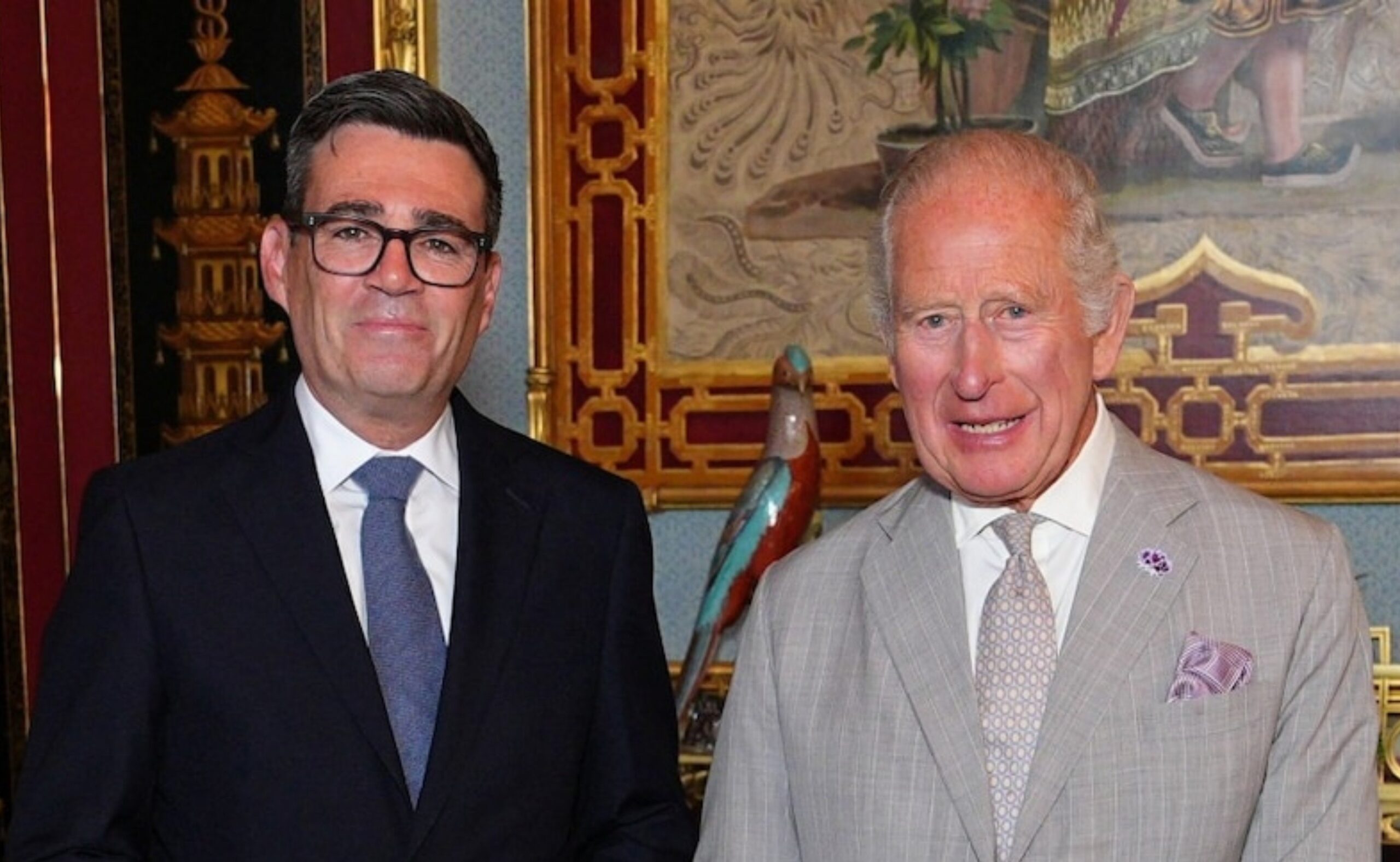
On Monday, July 20, 2026, Former PM Keir Starmer walked out of Downing Street for the last time, drove to Buckingham Palace, and handed his resignation to King Charles III. An hour later, Andy Burnham made the same walk, the same drive, and came back as Prime Minister. No election. No public vote for the top job. Just a party swapping its captain mid-storm for the seventh time in ten years.
That number should stop you. Seven Prime Ministers since the 2016 Brexit vote. Britain hasn’t had a government finish a full term in a decade without a leader getting pushed out the back door. Burnham didn’t even need a general election to get here, he needed a by-election win in Makerfield three weeks ago, a Labour leadership contest, and a resignation letter. That’s it. That’s how you become the 59th Prime Minister of the United Kingdom.
Who actually is Andy Burnham?
Forget the “King of the North” nickname for a second, it’s a tabloid crown, and Andy Burnham knows it. Here’s the real résumé.
He entered Parliament in 2001, English graduate from Cambridge, working-class roots in Aintree and Culcheth near Warrington. He rose through Blair and Brown’s governments as Health Secretary, Culture Secretary, Chief Secretary to the Treasury. Then Labour lost in 2010, Burnham ran for party leader in 2015, came second to Jeremy Corbyn, and did something almost nobody in Westminster does: he left. In 2017 he quit Parliament entirely to become Mayor of Greater Manchester.
That decision is the actual story of his career. Regional mayors in Britain are usually a retirement plan. Burnham turned it into a comeback machine. He built the Bee Network, London-style integrated buses and trams that most cities in England can only envy. He ran “A Bed Every Night,” a scheme that got rough sleepers off Manchester’s streets during winter. During Covid, he stood on the steps of a hotel and refused Boris Johnson’s funding terms on live television with the “Manchester stand-off” that made him a folk hero to a country sick of being run from London. And underneath all of it sits Hillsborough: back in 2009, after being heckled by bereaved families at the disaster’s 20th anniversary, he went to Gordon Brown the next day and pushed for the independent panel that eventually exposed the police cover-up. It’s the one moment of his career he talks about with real emotion, and it tells you what actually drives him with a conviction that some places and some people get heard less, and that this is a democratic failure worth fixing.
The uncomfortable truth Labour doesn’t love saying out loud: he was blocked. In January 2026, Labour’s own National Executive Committee voted 8-4 to stop him standing in a different by-election. Months later, the same party that tried to shut the door was begging him through it.

The problems waiting on his desk
- No mandate, and everyone knows it. Nigel Farage called it within minutes of Starmer’s resignation, Burnham has a single by-election win behind him, not a national vote. Reform will hammer this daily.
- A flat economy. UK growth is projected at just 0.8% for 2026, down from 1.3% in 2025. That’s not a platform to govern from; that’s a headwind.
- Energy costs and North Sea oil. He’s already promised to fast-track drilling in already-licensed fields, a hard pivot for a party that campaigned on net zero, and one that will infuriate his own left flank.
- Immigration. The exact issue that helped sink Starmer hasn’t gone anywhere.
- Bond market nerves. Investors flagged Burnham as more left-leaning than Starmer the moment his name surfaced, and markets don’t do patience.
- A Labour party that’s exhausted. Six months, two leaders, one general election win in 2024 that already feels like ancient history with the parliamentary party is jumpy, and MPs who ousted Starmer can oust Burnham too if the polls don’t move.
- Three years until the next election, with Reform leading in the polls the whole way there.
Can he actually revive Labour? The honest answer is nobody knows, and pretending otherwise would be dishonest. His edge is real: he communicates like a human being, not a briefing document, and he has an actual delivery record voters can check for themselves in Manchester. His weakness is just as real: mayors don’t have to manage inflation, foreign policy, or a hostile bond market, and national government has broken sharper, more experienced people than him in the last ten years alone.
Why Trump called Britain a “poverty stricken disaster”
Over the weekend, before Andy Burnham even took office, Donald Trump posted on Truth Social that opening up North Sea oil would take Britain “from a Poverty Stricken Disaster, to one of the Richest Countries anywhere in the World.” He argued Britain currently buys oil from Norway at huge cost while sitting on its own reserves, and separately said the UK should tear down “old and horrible looking windmills” near Aberdeen.
Strip out the theatrics and there’s a real argument underneath: sluggish growth, high energy bills, and a country importing energy it could produce domestically. Strip out the diplomacy, and it’s a US president publicly humiliating an allied government days into a leadership transition and doing it, pointedly, to praise the new PM’s oil policy while trashing everything else about the country he’s about to lead. That contradiction is the whole story of new PM Andy Burnham’s first week: welcomed by Washington for the one policy that splits his own party, and mocked by Washington for everything else.
Bharatnewsupdates International Insight Team ⊥ July 2026, 20