

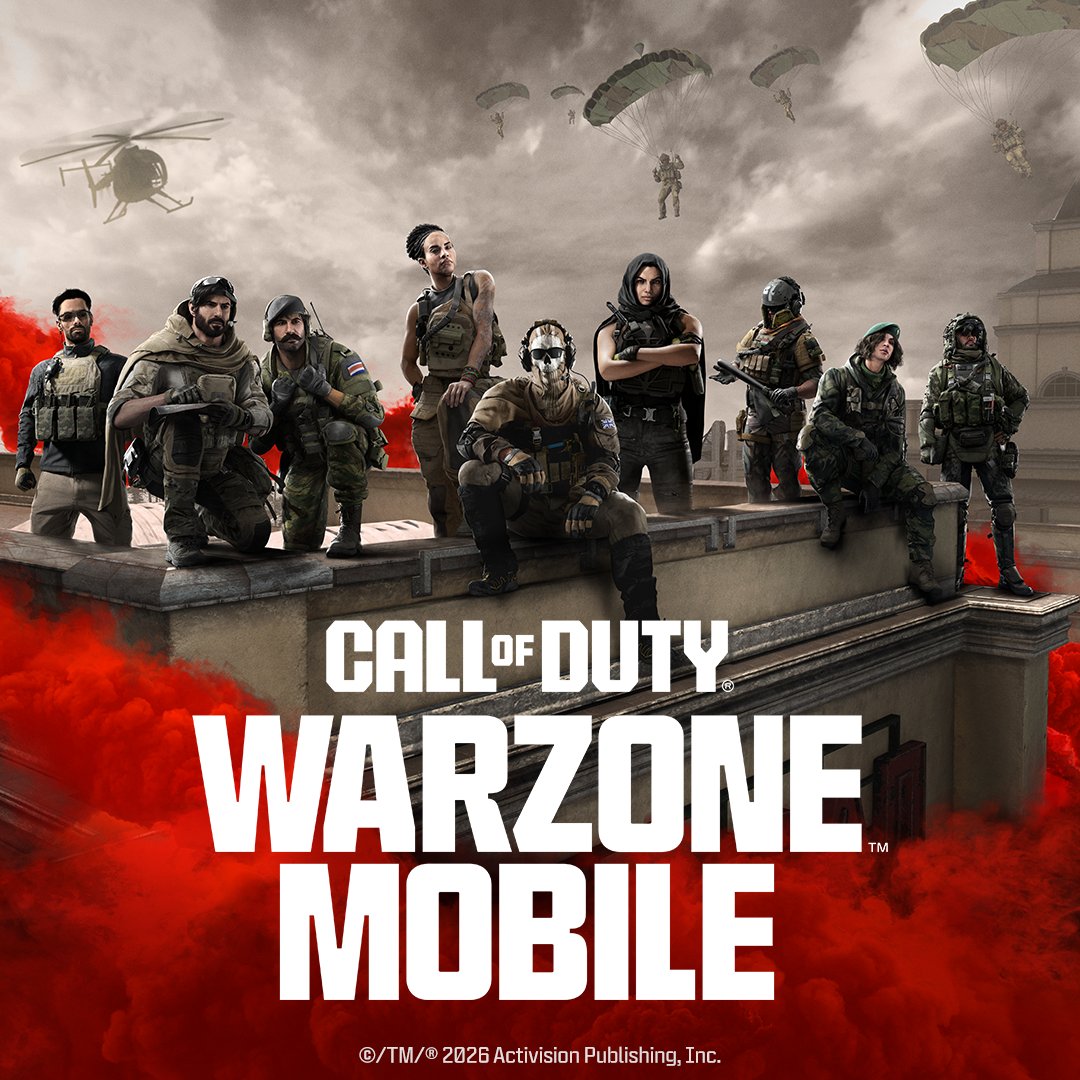
Call of Duty: Warzone Mobile set to go offline: A short-lived experiment that thrilled, frustrated and divided gamers
The mobile gaming space rarely sees a franchise as powerful as Call of Duty stumble. Yet that is precisely what has unfolded with Call of Duty: Warzone Mobile, Activision’s ambitious attempt to bring its large-scale battle royale experience to smartphones. After barely two years in circulation, the game is now going offline, marking an abrupt end to a project that once generated massive hype among gamers worldwide.
A highly anticipated launch
When Warzone Mobile launched globally in March 2024, expectations were sky-high. Built as a companion to the console and PC versions of Warzone, the mobile title promised full cross-progression, shared content and a near-console experience in the palm of one’s hand.
The excitement was evident even before release. Industry reports suggested over 50 million pre-registrations, placing the game among the most anticipated mobile launches of the year. The draw was obvious: iconic maps like Verdansk, authentic gunplay mechanics and the promise of seamless integration with the broader Call of Duty ecosystem.
For enthusiasts, early gameplay on powerful devices delivered exactly that. Visual fidelity, weapon customization depth and large-scale firefights felt unusually close to console standards, raising hopes that Warzone Mobile could redefine mobile shooters.

Early popularity meets technical hurdles
Despite the impressive debut, the honeymoon period proved short. Soon after launch, social media and gaming forums began filling with performance complaints, especially from users with mid-range or budget smartphones.
Common issues included:
- Overheating and battery drain
- Frequent crashes and stutters
- Long loading times
- Inconsistent graphics rendering
- High storage requirements
Ironically, the game’s greatest strength—its ambition to replicate console-level scale—became its biggest drawback. The title demanded powerful hardware and fast internet connectivity, limiting accessibility in markets where mid-range Android devices dominate.
Even iPhone users, traditionally less affected by optimization issues, reported performance instability on older models. While newer devices ran the game smoothly, the fragmented experience created uneven player retention.
Competition from within the franchise
Another challenge came from Activision’s own ecosystem. The long-standing Call of Duty: Mobile continued to dominate the mobile shooter market with its optimized gameplay, varied modes and consistent seasonal updates.
Because Call of Duty Mobile already offered a polished battle royale mode alongside multiplayer staples, many players saw little reason to migrate to a heavier standalone Warzone Mobile experience. The overlap diluted engagement and slowed long-term growth.

Support slowdown and eventual shutdown
Signs of trouble became clearer in May 2025, when Activision quietly pulled Warzone Mobile from app stores and halted major support. Seasonal updates, social features and in-app purchases using real currency were discontinued, signaling a strategic retreat.
Now, Activision has confirmed that the game will go fully offline on April 17, 2026.
Company statements and rationale
Activision, a subsidiary of Activision Blizzard under Microsoft, acknowledged that Warzone Mobile “did not meet expectations with mobile-first players.” The company emphasized that its focus would shift toward strengthening existing titles and delivering better optimized experiences.
The statement also reassured players that other Call of Duty offerings would continue receiving updates, effectively positioning Warzone Mobile as an experimental chapter rather than a long-term pillar.
A mixed legacy among gamers
For many enthusiasts, the shutdown feels bittersweet. Warzone Mobile showcased what mobile hardware is capable of when pushed to its limits. Its faithful mechanics, cross-platform progression and large maps hinted at a future where mobile gaming stands shoulder-to-shoulder with console experiences.
Yet the project also highlighted a crucial lesson: technical ambition must align with accessibility. Without broad device compatibility and smooth performance, even the biggest franchises struggle to sustain player engagement.
Ultimately, Warzone Mobile’s story reflects both innovation and miscalculation—an ambitious leap that arrived before the average smartphone ecosystem was ready to support it consistently.
As servers prepare to go dark, players are likely to remember the title not as a failure, but as a bold experiment that expanded the boundaries of mobile shooters—even if only briefly.