
Business
India’s Oil Countdown: Russia, the Strait of Hormuz, Iran War, and 45 Days of Crude, 15 Days of Cooking Gas—And Then What?

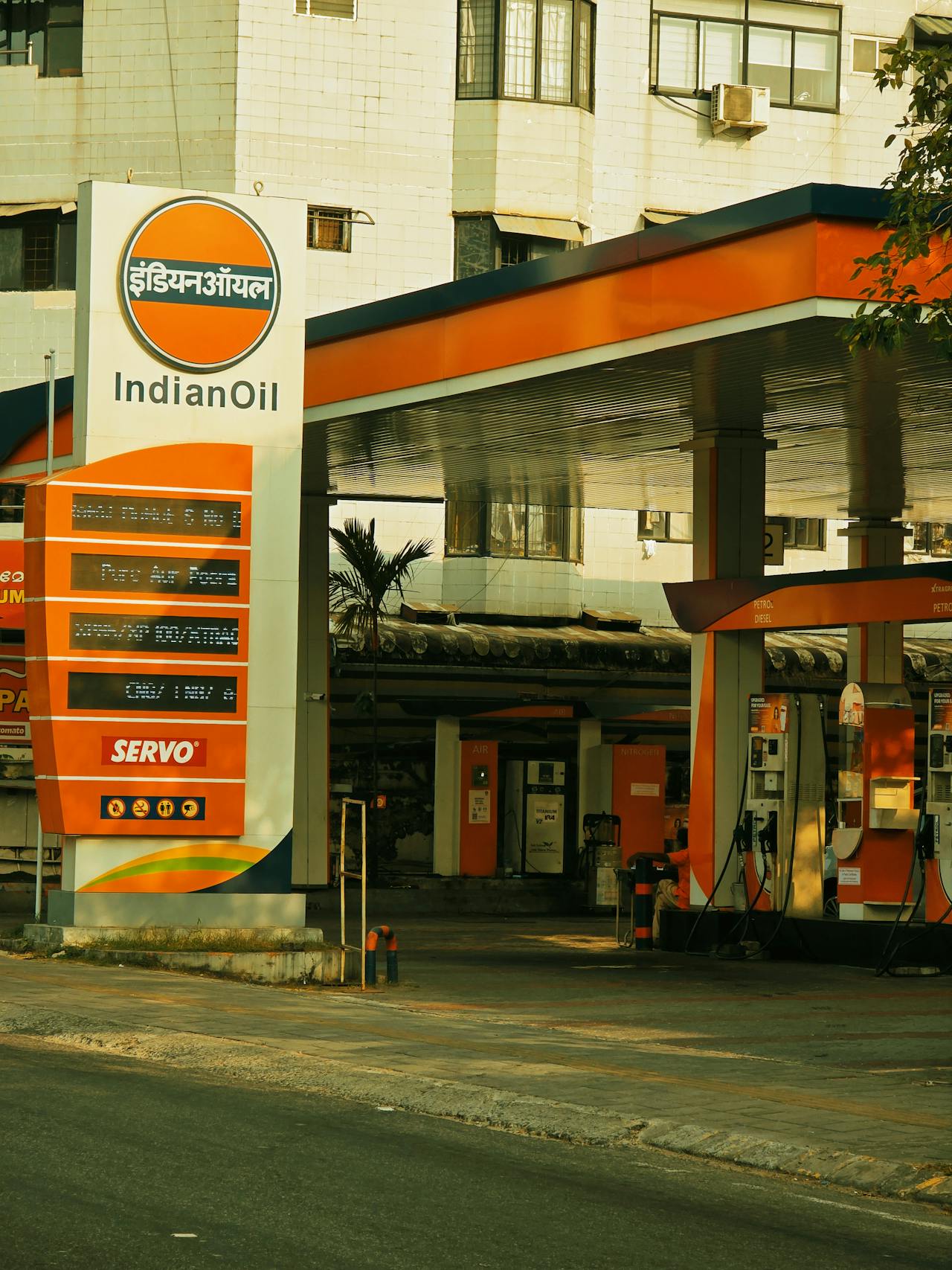
INDIA’S OIL LIFELINE UNDER FIRE
How soon the Iran–Israel–America War Is Threatening Every Drop of Fuel India Burns
Imagine waking up one morning and finding the tap at your kitchen cylinder dry. No gas to cook breakfast. The LPG dealer shrugs and says: ‘Supply is stuck somewhere in the Gulf.’ That scenario is not fiction anymore. As of this week, the Strait of Hormuz — a 33-kilometre sliver of sea between Iran and Oman — is effectively frozen. Tankers are stacking up on both sides. Insurance rates have gone through the roof. And India, the world’s third-largest consumer of crude oil, is staring at one of its most serious energy challenges in decades.
The trigger: coordinated US–Israel military strikes on Iran on February 28, 2026, which killed Iran’s Supreme Leader and set off retaliatory missile attacks across the Gulf — hitting Saudi Arabia, the UAE, Kuwait, Qatar, Bahrain, Iraq, and Jordan. Iran then declared the Strait of Hormuz closed. Global oil prices shot up nearly 10% overnight. And in New Delhi, emergency meetings were quietly convened.
This article breaks down exactly what is at stake for India — in hard numbers, honest analysis, and plain English.
The Strait of Hormuz: Why One Narrow Sea Lane Controls India’s Kitchen
The Strait of Hormuz is the only maritime exit for the Persian Gulf. Every barrel of oil produced by Saudi Arabia, Iraq, the UAE, Kuwait, and Qatar must pass through this 3-kilometre-wide shipping lane before it reaches the rest of the world.
According to the US Energy Information Administration, roughly 20 million barrels of oil per day moved through the Strait in 2024 — nearly one-fifth of the world’s entire oil supply. For India, the numbers are even starker: approximately 50% of India’s crude imports and 80–85% of its LPG (cooking gas) pass through this single chokepoint.
As of March 1, ship-tracking data from Kpler and Windward showed only 2–3 tankers crossing per day, against a normal daily average of vessels carrying 19.8 million barrels. Over 700 tankers — crude carriers, LNG ships, and product vessels — are now anchored on both sides of the Strait, waiting.


How Many Days Can India Survive? The Numbers Broken Down
The most searched question right now: will India run out of oil? The honest answer is — not immediately, but the clock is ticking, and LPG is the real weak link.
India currently holds about 100 million barrels of commercial crude, spread across storage tanks, underground strategic petroleum reserves (SPR), and tankers already in transit. Energy analytics firm Kpler estimates this can cover roughly 40–45 days of crude import requirements if Hormuz flows stop entirely. Oil Minister Hardeep Singh Puri put the combined crude and petroleum product buffer — including refined fuel at refineries and downstream depots — at approximately 74 days.
But the operational reality is more granular than a single headline number:

LPG is the most exposed. India imports nearly 80–85% of its LPG from Gulf suppliers — the UAE, Saudi Arabia, Kuwait and Qatar. Kpler data shows total monthly LPG imports ranged between 1.83 and 2.03 million tonnes in early 2026, of which 1.6–1.8 million tonnes came from Gulf sources. Unlike crude oil, India has no strategic LPG reserves. Once commercial stocks run out — which analysts say could happen in under two weeks if the Strait stays shut — there is no emergency buffer for cooking gas. Indian Oil, HPCL and BPCL have begun ramping up LPG production at select refineries, but this cannot fully replace import volumes.

The Russia Option: India’s Best Card in a Bad Hand
Before Russia invaded Ukraine in February 2022, Russian crude oil made up barely 2.5% of India’s total imports. Today, that figure stands at 35–50% depending on the month, making Russia India’s single largest supplier of crude oil. In 2024, India spent $52.73 billion on Russian crude alone.
The pivot happened for simple economic reasons. As Western sanctions isolated Russia, Moscow offered steep discounts to Asian buyers — reportedly $15–20 per barrel below Brent benchmark in early 2026. Indian refiners, legally permitted to buy Russian oil (unlike European counterparts), lapped it up. Reliance Industries alone buys roughly a third of India’s Russian crude intake.
Now, with Gulf supplies frozen, Russia becomes even more critical. And the logistics of this supply chain work in India’s favour — Russian oil travels via the Indian Ocean and does not pass through the Strait of Hormuz at all.

However, scaling up Russian supply is not a simple dial to turn. There are real friction points: US sanctions on Rosneft and Lukoil (which together supply 60% of India’s Russian crude intake) took effect in November 2025, complicating shipping, insurance, and payment. India has been partially replacing these sanctioned volumes with purchases from smaller Russian traders. But a sudden, large surge in demand would test the shadow fleet logistics and insurance workarounds that the India-Russia trade currently relies on.
Putin has personally assured Modi of ‘uninterrupted fuel shipments’ — a promise made during their December 2025 bilateral summit in New Delhi. But promises are tested when logistics, sanctions, and war-zone insurance all collide simultaneously.
Other Sourcing Options: Who Can Fill the Gap?
India’s petroleum ministry is actively scouting alternatives. The realistic short-to-medium term options are:

Saudi Arabia’s East-West Pipeline can carry roughly 5 million barrels per day to the Red Sea port of Yanbu — bypassing Hormuz entirely. The UAE has a similar pipeline to the port of Fujairah on the Gulf of Oman. India has already begun quiet diplomatic coordination with Riyadh and Abu Dhabi to maximise these flows. But the total bypass capacity is limited, and both pipelines themselves suffered damage in recent Iranian retaliatory strikes, reducing their operational capacity temporarily.

Alternative Shipping Routes: Getting Around Hormuz
If the Strait of Hormuz stays closed for weeks, tankers and LNG ships face a brutal choice: wait, or find a longer way around.

Major shipping lines including Maersk and CMA CGM have already confirmed diversion around the Cape of Good Hope, citing an ‘uncertain international context.’ This adds 10–15 days to voyage times, raises freight costs significantly, and requires more tankers to cover the same supply volume. For India, this means: even if alternative oil is available, getting it to port quickly is the next challenge.
If the War Goes Beyond a Month: What Happens Then?
Here is where the analysis gets uncomfortable.
In the first two to three weeks, India’s existing stocks, combined with Russian and West African cargoes already loaded and in transit, insulate the country reasonably well. Petrol and diesel prices may not jump at the pump immediately — the government has asked oil marketing companies to hold off on retail price hikes and has banned petroleum product exports to preserve domestic buffers.
But if the war drags past the 30-day mark, pressure will build rapidly on multiple fronts:
- LPG: Cooking gas supply chains begin breaking. Even if India redirects LPG procurement to the US Gulf Coast or Australia, spot cargoes are expensive and transit takes 25–35 days. Low-income households who depend on subsidized cylinders will feel it first.
- Crude prices: Analysts at JM Financial project Brent could breach $90 if Hormuz remains shut, and cross $100 in a wider regional war scenario. At $100/barrel, India’s annual import bill rises by roughly $20–25 billion compared to the $60/barrel baseline of early 2026.
- Russia as the dominant supplier: India would likely push Russian imports to their operational ceiling — perhaps 2.2–2.5 million barrels per day — relying almost entirely on Moscow for crude. This means the US-India tariff confrontation over Russian oil purchases escalates dramatically at the worst possible moment.
- Refinery output: Some Indian refineries are configured for Gulf crude grades (primarily heavy-sour crude from Iraq and Saudi Arabia). Russian Urals crude has a different sulphur and density profile. Not all Indian refineries can seamlessly switch without configuration changes, creating operational friction.

The Forex Reserve Question: How Long Can India Afford This?
India entered this crisis from a position of relative strength. Foreign exchange reserves hit a record $725.7 billion in February 2026 — the fourth-largest in the world — providing over 11 months of merchandise import cover according to the RBI Governor.
But oil price shocks erode this buffer methodically. Consider the arithmetic: India was on track to spend approximately $130–140 billion on crude imports in FY2026. Every $10/barrel increase in sustained oil prices adds roughly $7–8 billion to that annual bill. If prices hold above $90 for two to three months, India’s current account deficit could widen by 0.3–0.4 percentage points of GDP beyond the baseline estimate of 0.9% of GDP for FY27.
The rupee is already feeling the strain. The INR was trading near 91 per dollar in late February 2026, with the RBI intervening to prevent a breach of the 91 level. A sustained oil shock would put further downward pressure on the rupee, which in turn makes the oil import bill even more expensive in rupee terms — a classic imported inflation spiral.
The good news: India’s forex reserves are large enough to absorb a short war. The RBI has both the ammunition and the institutional capacity to manage orderly depreciation without a currency crisis. The 1991 scenario — when reserves barely covered three weeks of imports and India nearly defaulted — is not remotely comparable to today’s position. But every week of $90+ oil costs India approximately $1.5–2 billion in additional import expenditure, and that compounds.
The Economic Ripple: What It Means for You
The human cost of an oil shock is rarely captured in percentage points of GDP. Here is what it actually translates to:
- Transport costs rise: Truckers and logistics operators pay more for diesel. This feeds into every product that moves on a road — vegetables, medicine, electronics. The poor spend a larger share of their income on food and transport, so they feel it disproportionately.
- LPG cylinder prices: If the government is forced to pass on the cost, a domestic LPG cylinder could see significant hikes. For a family in a Tier-2 or Tier-3 city buying four cylinders a month, this is a real hit.
- Aviation: Jet fuel (ATF) is largely imported-oil-dependent. Airline operating costs rise, fares go up. Connectivity to smaller cities suffers first.
- Manufacturing and chemicals: Petrochemical feedstocks become costlier. Paint companies, plastic manufacturers, fertiliser producers — they all feel the heat, and pass it on.
- The stock market: Aviation, OMCs (Oil Marketing Companies like IOCL, BPCL, HPCL), paint companies, and chemical stocks get hit first. But for patient investors, history shows geopolitical oil shocks tend to reverse — the 2022 Ukraine shock and the 2020 pandemic crash both saw V-shaped recoveries.

The Honest Bottom Line
India is not about to run out of oil tomorrow. The government’s reserves, diversified sourcing over the past four years, and the Russia relationship provide a genuine buffer. For crude oil, India has approximately 40–45 days of runway even if Hormuz stays shut. Officials in New Delhi are calm, methodical, and largely prepared for a short disruption.
The two real vulnerabilities are LPG and price. Cooking gas supply is exposed in a way that crude oil is not — India has no strategic LPG buffer and is almost entirely dependent on Hormuz-routed Gulf supply. If this crisis extends beyond three weeks, LPG rationing or sharp price hikes become genuinely plausible. For millions of Indian households — especially those at the bottom of the income pyramid — that matters enormously.
On price: even without a physical shortage, a sustained $90–100 oil environment eats into India’s fiscal headroom, widens the current account deficit, pressures the rupee, and feeds inflation that the RBI will have to battle with tighter monetary policy. The economic damage is real, even if petrol stations stay open.
The deeper lesson — one that Indian policymakers have been slowly absorbing since 2022 — is that energy security and geopolitical strategy are the same thing. Russia’s oil is affordable but politically costly. The US wants India to buy American crude but offers no guarantee of supply in a crisis. The Gulf supplies cheap logistics but puts 50% of India’s energy through a 3-kilometre-wide lane that any regional power can threaten.
India has no perfect answer. But right now, in this particular crisis, Russia is the most reliable fallback — and New Delhi knows it.

Business
Panic on D-Street: Sensex Crashes 1,069 Points, Nifty Below 25,450 as IT Stocks Fall, Wiping Out ₹5 Lakh Crore.
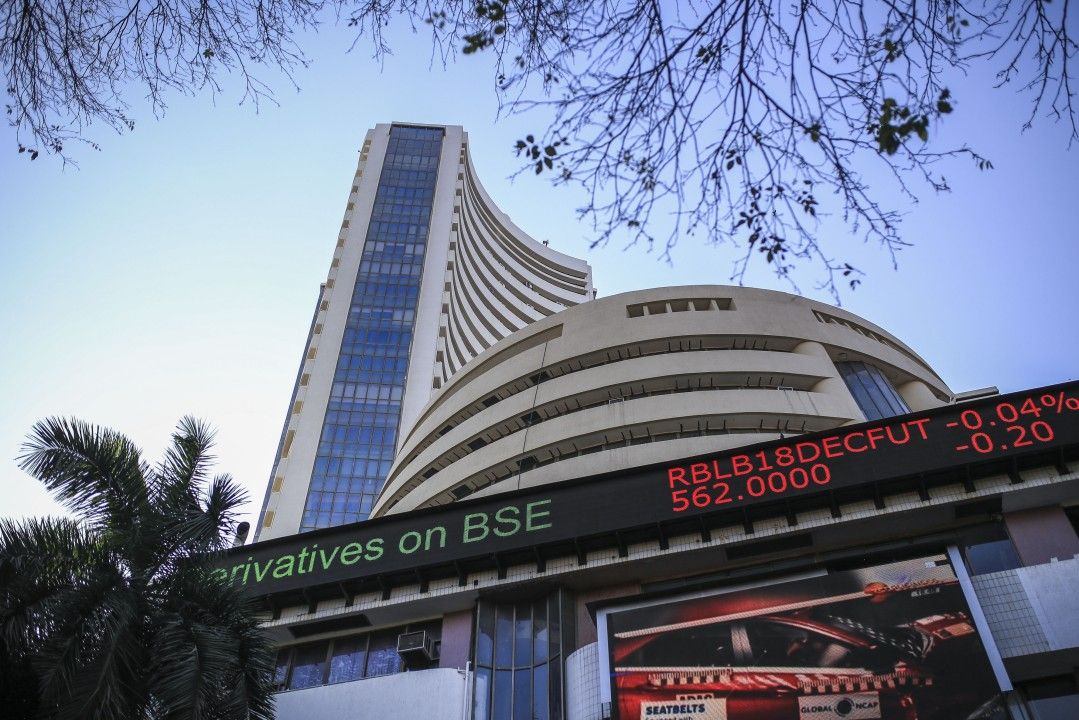
In a surprising reversal of Monday’s gains, the Indian stock market witnessed a severe sell-off on Tuesday, with the benchmark indices sliding down over 1% in a session marked by widespread sell off panic. The BSE Sensex crashes by 1,068.73 points (1.28%) to settle at 82,225.92, while the Nifty 50 tumbled 288.35 points (1.12%) to close at 25,424.65. This volatile market session erased investor wealth
by a staggering nearly ₹5 lakh crore, tumbling the total market capitalization of BSE-listed firms significantly down.
The panic was predominantly led by a historic crash in Information Technology (IT) stocks like IBM, coupled with renewed global trade tensions triggered by former US President Donald Trump and anticipating geopolitical uncertainty in the Middle East region.

1. The AI Disruption Anxiety (The “Anthropic – Clude Code” Effect)
The IT sector, a long-time favorite of D-Street, is facing human redundancy in an AI age. The Nifty IT index plunged nearly 5% to hit a 30-month low, extending its losing streak to the fifth consecutive session. The trigger for this meltdown was a fresh salvo from the AI frontier. Anthropic, an AI startup, announced that its new tool, Claude Code, can map dependencies in quarters instead of years across systems written in COBOL—an old programming language that still runs the backbone of global financial systems, including 95% of ATM transactions in the U.S.
This sparked fears that Indian IT giants, which earn a significant chunk of their revenue by maintaining and modernizing such legacy systems for Western and American clients, face a 14%-16% gross deflationary risk to their revenues over the next few years, according to HSBC Global Investment Research . IT Heavyweights like Tech Mahindra (down 6.3%), HCL Tech (down over 5%), Infosys, and TCS (down 3-4%) were shattered in the sell-off.

2. Trump’s Tariff Turmoil Returns
Just as markets were recovering from previous tariff woes, Donald Trump stoked trade war fears. Following the U.S. Supreme Court striking down his earlier emergency tariffs, Trump took to Truth Social to issue a stark warning. He freshly imposed a 15% global tariff under Section 122 of the Trade Act of 1974, cautioning countries against “playing games” with trade deals. This trade uncertainty has frozen global trade sentiments, with the EU putting its approval process on ice and India pausing planned trade talks with the U.S.
3. US-Iran Geopolitical Risk & Crude Oil Surge
Adding fuel to the fire, rising tensions between the U.S. and Iran pushed crude oil prices to a seven-month high. As a net importer of oil, rising crude prices widen India’s current account deficit and fuel inflation, putting immense pressure on the Rupee and trade margins.
4. Technical Factors: F&O Expiry
The sell-off was worsen by the weekly expiry of Nifty derivatives. This period typically sees heightened uncertainty as traders roll over or square off their positions, with option writers anchoring prices near key levels, leading to sharp intraday moves.
Sectoral Impact: IT Bleeds, Metals Shine
IT Sector (Worst Hit): The Nifty IT index is now headed for its steepest monthly fall since 2003, plunging 21% so far in February. All entities are in share market territory, down over 20% from their recent highs . Selling pressure also spread to new-age tech stocks like Eternal and Paytm, which closed with sharp cuts.
The Gainers: Amid the down fall, the Nifty Metal index stood resilient, hitting a fresh all-time high. Pharma and Healthcare stocks also managed marginal gains, while PSU Banks displayed relative strength .
Broader Market: The pain was not limited to large-caps. The BSE MidCap and SmallCap indices also fell over 0.5%-1%, reflecting a broad-based risk cautious.
What Should Investors Do? Analyst Outlook
With the Nifty slipping below the crucial 25,450 mark, market technicians are eyeing the next support level.
Vishnu Kant Upadhyay of Master Capital Services Ltd. noted, “Overall market sentiment remains anxious. The 25,250 zone, which coincides with the 200-day EMA, will be a crucial level to monitor. A sustained hold near this support could trigger some short-covering bounce in the near term.”
Despite the falls, VK Vijayakumar of Geojit Investments pointed out a positivity: Foreign Institutional Investors (FIIs) have turned buyers in 10 out of the last 17 trading sessions, indicating fresh interest in India driven by improving corporate earnings. He suggests that sectors like capital goods and financials may remain resilient, while IT is likely to continue facing headwinds.
Today’s crash serves as a stark reminder of the fragile global economic scenario, where technological disruption and geopolitical tensions can erase billions in market cap within hours.
Business
Indian-Origin Asha Sharma Becomes Microsoft Gaming’s New CEO: Can Microsoft Redefine Xbox’s Next Decade?

Deep-insight feature: Leadership reset at Microsoft Gaming
The appointment of Asha Sharma as CEO of Microsoft Gaming marks one of the most consequential leadership changes in the global gaming industry in recent years. The transition follows the retirement of longtime Xbox chief Phil Spencer, whose influence shaped Microsoft’s gaming identity for more than a decade and helped rebuild trust with players and developers alike.
End of the Phil Spencer era
Phil Spencer’s tenure is widely seen as a period of strategic rebuilding. After early struggles in the console wars, he repositioned Xbox as a service-driven ecosystem rather than a hardware-only business. His leadership saw bold acquisitions such as ZeniMax Media, expansion of the subscription model through Xbox Game Pass, and a growing focus on cross-platform play.
More importantly, Phil Spencer cultivated a gamer-first culture. Studio autonomy, creative experimentation and open communication with the gaming community became hallmarks of the Xbox brand. His departure therefore signals not merely a management change but a shift in philosophy at a moment when gaming is rapidly evolving.

Asha Sharma, New Executive Vice President and CEO along with Retiring CEO of Microsoft Gaming, Phil Spencer.
Why Asha Sharma — and what led to her rise
Sharma’s elevation reflects a deliberate strategic pivot by Microsoft CEO Satya Nadella. Unlike Spencer, Sharma’s strength lies in scaling digital platforms and consumer ecosystems. Her career spans leadership roles at Meta Platforms (working on Messenger and Instagram products) and Instacart, where she helped expand large-scale user platforms before rejoining Microsoft to lead core AI product initiatives.
Behind her promotion is Microsoft’s growing belief that gaming is not just entertainment but a strategic technology platform — a testing ground for cloud, subscription services, creator tools and AI-driven personalization. Sharma’s experience building products for billions of users aligns with that ambition.
Her internal messaging suggests continuity with Xbox’s legacy but urgency around innovation. She has emphasized strengthening ties with developers while exploring new tools that can improve game discovery, personalization and development workflows.


What Microsoft stands to gain
Sharma’s appointment potentially accelerates three strategic goals:
- Platform integration: Gaming could become a central showcase for Microsoft’s cloud and AI ecosystem, strengthening cross-device experiences
across console, PC and mobile. - Service expansion: With Game Pass already reshaping consumption habits, Sharma’s background in subscription-driven growth may deepen personalization and retention strategies.
- Developer productivity: AI-assisted tools and cloud-based pipelines could reduce production costs and shorten development cycles — a crucial advantage as AAA budgets soar.

Challenges ahead
Yet the road forward is complex. Sharma must balance technological ambition with creative stewardship — a delicate task in an industry where culture matters as much as innovation.
Key risks include:
- Maintaining studio trust after leadership upheaval
- Balancing content quality with platform metrics
- Competing with rivals such as Sony Interactive Entertainment and Nintendo, both of which retain strong creative identities
- Managing community perception, as players closely associate Xbox’s recent revival with Phil Spencer’s leadership
A pivotal transition
Ultimately, Sharma’s elevation represents a broader transformation within Microsoft. The company is betting that gaming will be a central frontier
where entertainment, technology and digital services converge. Success will depend on whether Sharma can blend Spencer’s community-focused legacy with a platform-driven future — turning Microsoft Gaming into not just a console brand but a defining digital ecosystem.
International News
Trade, Tariffs and a $4 Trillion Dream, India–US Trade Deal: Why an 18% Tariff Could Reshape India’s Export Future
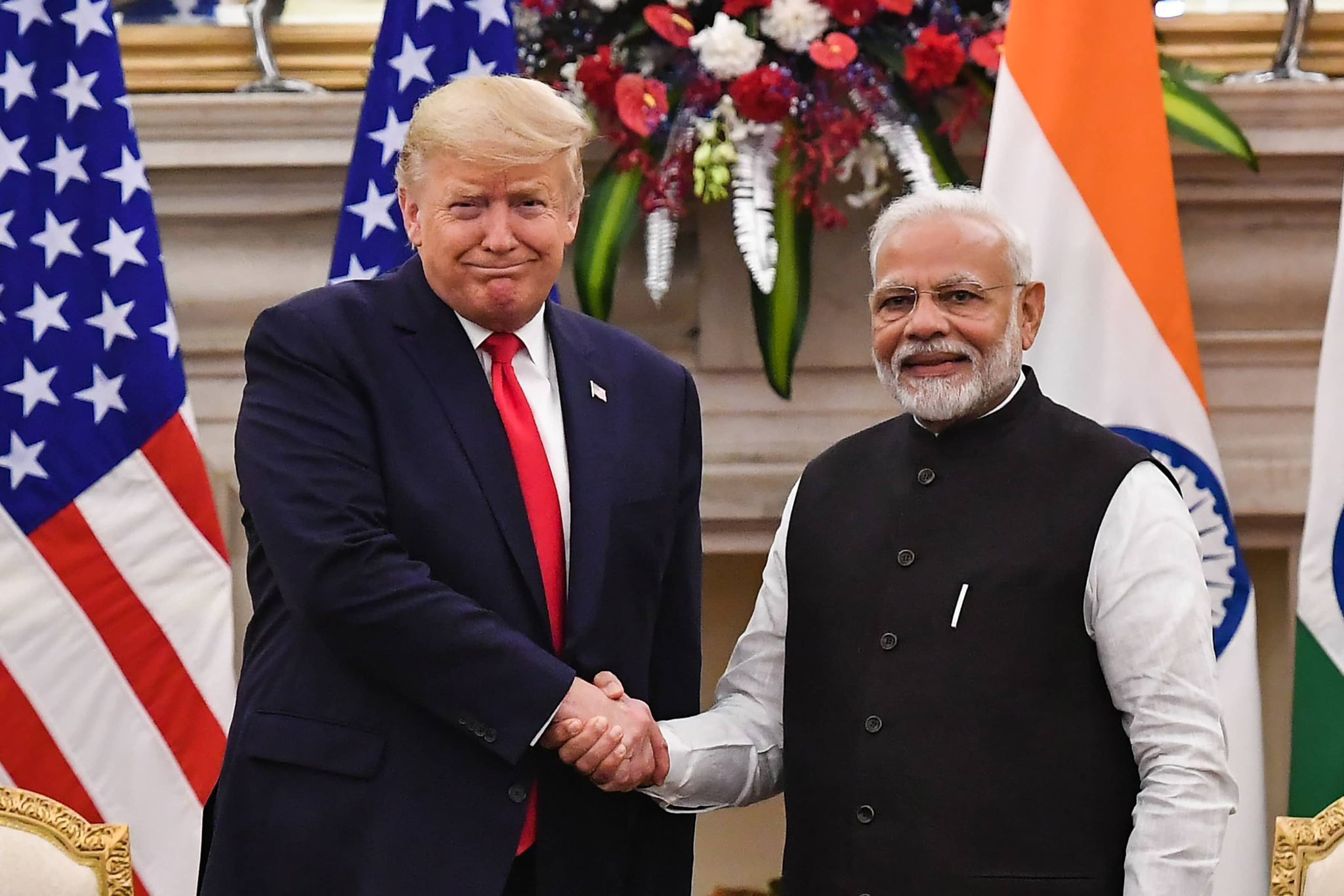
India–US FTA 2026: Why an 18% Tariff Could Be a Quiet Game-Changer for India’s Growth Story!
When the United States cut tariffs on Indian goods to 18 per cent under the newly announced India–US Interim Trade Framework, it did more than tweak a trade number. It quietly repositioned India inside the world’s largest consumer market at a time when global supply chains are being rewritten.
India’s Commerce and Industry Minister Piyush Goyal has described the move as giving Indian exporters a “competitive advantage.” The claim isn’t rhetorical. Compared with China’s 35 per cent tariff burden and higher levies faced by several other exporting nations, India now enters the US market with a meaningful cost edge.

But what does this really mean for India’s economy, its exporters, its farmers—and its long-term ambition of becoming a $4 trillion economy?
The Tariff Reset: Why 18% Matters More Than It Sounds
In isolation, an 18 per cent tariff still sounds high. In global trade, however, relative advantage matters more than absolute numbers.
- China: ~35% tariff on many product categories
- Several ASEAN and Latin American economies: 19–25%
- India: 18%, with zero-duty access in select sectors
For US buyers sourcing at scale—retailers, manufacturers, defense contractors—even a 3–7 percentage-point difference can decide where orders flow.
This differential gives India a pricing edge at a time when American firms are actively diversifying away from China due to geopolitical risk, sanctions exposure, and supply-chain fragility.
Sectors Set to Gain: Where the Growth Will Come From


1. Labour-Intensive Manufacturing Gets a Push

The biggest winners are sectors where India already has scale and employment depth:
- Textiles & apparel
- Leather & footwear
- Home décor and handicrafts
- Plastics, rubber and organic chemicals
These industries are dominated by MSMEs, which employ over 110 million Indians. Even a modest export increase here has an outsized impact on jobs—especially for women and semi-skilled workers.
2. Zero-Tariff Sectors: Quiet but Powerful

The agreement eliminates tariffs entirely on several high-value categories:
- Generic pharmaceuticals
- Gems and diamonds
- Aircraft parts and components
India already supplies over 40% of generic medicines used in the US. Removing tariff friction strengthens India’s role as a trusted, affordable healthcare supplier—especially as US healthcare costs continue to rise.
Similarly, aircraft parts exemptions under Section 232 open doors for India’s emerging aerospace ecosystem, linking domestic manufacturing with global aviation majors.
India vs China: A Strategic Moment, Not Just a Trade Deal


The US is not simply buying cheaper goods—it is re-engineering its supply chains.
China’s manufacturing dominance was built on scale, subsidies, and predictability. But rising wages, regulatory opacity, and geopolitical tensions have eroded that advantage.

India’s pitch is different:
- Democratic governance
- Rule-based trade engagement
- A young skilled workforce
- Expanding industrial capacity under Make in India and PLI schemes
The 18% tariff makes India commercially viable, not just politically attractive. That combination matters.
Connecting the Dots to the $4 Trillion GDP Goal
India’s GDP today stands just above $3.6 trillion. To cross $4 trillion, exports must play a larger role.
- Exports currently contribute~22% of GDP
- Government target: push this closer to 25–30% over time
If the US—India’s largest trading partner—absorbs even an additional $40–50 billion in Indian exports over the next few years, the multiplier effect through jobs, consumption, and investment could be substantial.
More importantly, export-led growth tends to be:
- More productive
- More employment-intensive
- Less inflationary
This trade framework, while interim, aligns neatly with that trajectory.
Agriculture: Where India Drew a Hard Line
Perhaps the most politically sensitive part of the agreement is also the clearest: India did not open its core agricultural sectors.
No concessions were granted on:
- Rice, wheat, maize, soya
- Dairy (milk, cheese)
- Poultry and meat
- Fruits, vegetables, spices
- Ethanol (fuel) and tobacco
This matters because over 45% of India’s workforce still depends on agriculture, directly or indirectly. Sudden exposure to heavily subsidized US farm produce could destabilize rural incomes and trigger price shocks.
By ring-fencing agriculture, India signaled that trade liberalization will not come at the cost of its Annadatas (The Farmers).


The Other Side of the Coin: Risks and Limitations
No trade deal is without downsides—and this one is no exception.
1. Still an Interim Framework
This is not a full-fledged FTA. Many issues—services trade, digital taxes, data localisation, visas—remain unresolved. Uncertainty
could delay long-term investments.
2. Pressure on Domestic Industry
Duty-free access for American goods could strain some Indian manufacturers, particularly in capital-intensive or technology-heavy
segments where US firms are more competitive.
3. Compliance Costs
Aligning with US standards—on quality, environment, labour—will raise compliance costs for Indian exporters, especially MSMEs.
Without adequate support, some may struggle to adapt.
4. Geopolitical Tightrope
Closer trade alignment with the US may complicate India’s balancing act with other partners, including Russia and parts of the
Global South.
The Bigger Picture: A Calculated Bet, Not a Giveaway
Critics argue India conceded too much by accepting an 18% tariff. But trade is rarely about perfection—it is about positioning.
This agreement:
- Restores momentum after months of friction
- Improves India’s relative standing in the US market
- Protects agriculture while promoting manufacturing
- Supports employment-heavy sectors
Most importantly, it keeps India inside the room as global trade rules are being reshaped.
Conclusion: A Step Forward Towards Growth—If Followed Through

The India–US Interim Trade Framework is not a silver bullet. But it is a strategic nudge—one that could accelerate exports, create jobs, and reinforce India’s path toward a $4 trillion economy.
Its success will depend less on headlines and more on execution: logistics reforms, MSME support, skill development, and sustained diplomatic engagement.
Handled well, this 18% tariff reduction could mark the moment when India stopped being just an alternative—and started becoming a preferred choice for Viksit Bharat goal.


India’s Oil Countdown: Russia, the Strait of Hormuz, Iran War, and 45 Days of Crude, 15 Days of Cooking Gas—And Then What?

Sanju Samson’s unbeaten 97 wipes out West Indies’ 196: India storms into Semis With Record-Breaking Chase at Eden Garden.

When The Middle East Broke Open: The Iran–Israel–US War, the Fall of Khamenei, the Strait of Hormuz, and the World Geopolitics That Comes After
-

 Fashion9 years ago
Your comprehensive guide to this fall’s biggest trends
-

 Sports2 months ago
Renuka Struck, Deepti Controlled, Shafali Finished : India Outclass Sri Lanka To Seal Series 3–0
-
Entertainment9 years ago
Rappers are blowing up Twitter with praise for Jay Z and ‘4:44’
-
International News2 years ago
The United Nations Observes A Minute Of Silence In Memory Of The 101 Staff Who Died In Gaza
-

 Entertainment3 months ago
Dhurandhar Film Review—A Powerful, Action-packed, Engrossing, Yet A Bit Dragged-Out Theatrical Experience!
-

 Business2 months ago
Historic milestone! New Zealand commits to an investment worth USD 20 billion in India under the India-New Zealand Free Trade Agreement
-

 International News3 months ago
President Vladimir Putin and Prime Minister Narendra Modi—both travel in “Fortuner Fortune Shield.” As global eyes watch, the message is clear – ये दोस्ती हम नहीं तोड़ेंगे!
-
Business9 years ago
15 Habits that could be hurting your business relationships