

What is Mahashivratri?
Mahashivratri means “The Great Night of Shiva.” It is one of the most sacred nights in the Hindu calendar, dedicated to Lord Shiva — the one who represents transformation, stillness, and deep awareness.
Every month there is a Shivratri, which falls on the fourteenth day of the dark half of the lunar month. But the Shivratri that comes in the month of Phalguna (February–March) is called Maha Shivratri — the greatest of them all. This night is considered highly powerful for prayer, meditation, and inner cleansing.
Mahashivratri is not just a festival of rituals. It is a night of spiritual opportunity.

Why is Mahashivratri Celebrated?
There are many stories connected with this sacred night, and each carries a deep meaning.
1. The Divine Marriage
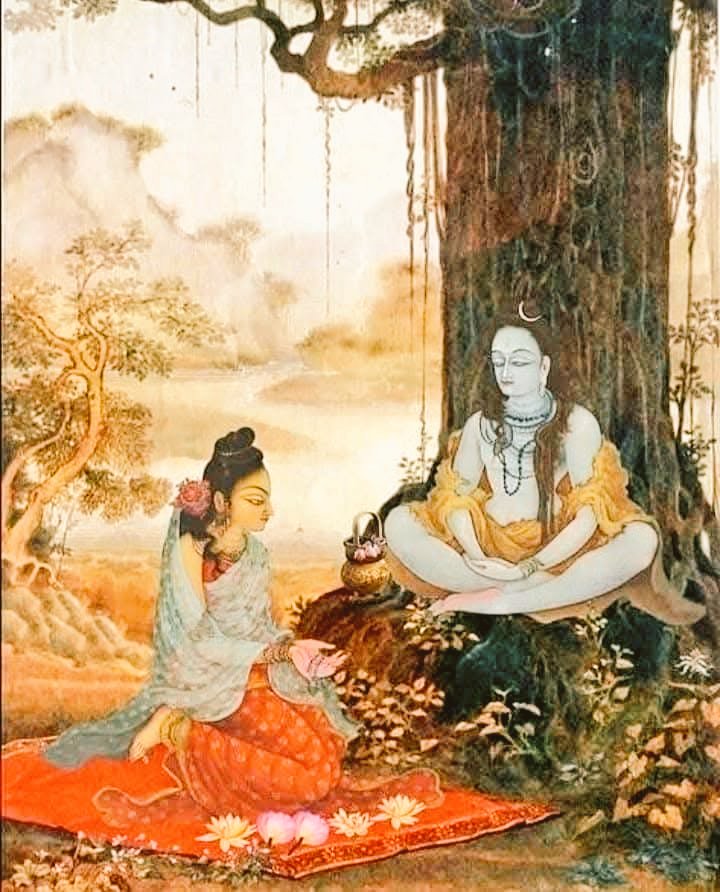
One popular belief is that this is the night when Lord Shiva married Goddess Parvati. Their union represents the coming together of consciousness and energy — Shiva and Shakti.
Spiritually, this marriage is not just about two divine beings. It symbolizes balance within us. When our mind (Shiva) and our energy (Shakti) work together in harmony, life becomes peaceful and meaningful.
For many families, Mahashivratri is a celebration of devotion, love, and faithfulness.
2. The Night of Stillness
In the yogic tradition, Lord Shiva is known as the Adi Yogi — the first yogi and the first guru. It is believed that on this night, he entered into deep meditation and became completely still.
This stillness is important. In our busy lives, we are always running — in thoughts, emotions, desires. Mahashivratri reminds us to pause. To sit quietly. To turn inward.
When the mind becomes silent, we begin to understand ourselves better.
3. The Night of Transformation
Another sacred story tells us about the Samudra Manthan — the churning of the cosmic ocean. During this event, a deadly poison called Halahala emerged. To save the world, Lord Shiva drank the poison and held it in his throat, which turned blue. That is why he is also called Neelkanth.
This story teaches us sacrifice and strength. Sometimes life brings difficulties and bitterness. Mahashivratri reminds us that we too can hold our pain with courage and transform it into wisdom.
What is the Spiritual Significance?
Mahashivratri falls on the darkest night of the month — just before the new moon. Normally, people are afraid of darkness. But in spiritual understanding, darkness is not negative. It represents the unknown, the vast space from which everything is born.
The word “Shiva” itself means “that which is not.” It points to the silent, invisible presence behind all creation.
On this night, many devotees stay awake. They meditate, chant “Om Namah Shivaya,” and keep their spine straight while sitting. It is believed that on Mahashivratri, there is a natural rise of energy within the human body, especially in the northern hemisphere of the Earth. Staying awake helps one use this energy for spiritual growth.
But beyond beliefs, the deeper truth is simple: this night gives us a chance to rise above our limited thinking and connect with something greater.

How Mahashivratri Impacts Our Life
Mahashivratri is not only about visiting temples or performing rituals. It is about self-reflection.
Here is how this sacred night can change us:
• It Teaches Self-Control
Many people fast on this day. Fasting is not just about food. It is about discipline. When we control our senses, our mind becomes stronger.
• It Encourages Forgiveness
This night is a good time to let go of anger, ego, and negative thoughts. Shiva is known as the destroyer — not of people, but of ignorance and pride.
• It Strengthens Faith
Spending a whole night in prayer builds inner strength. It reminds us that spiritual life requires effort and patience.
• It Brings Mental Peace
Chanting mantras and meditating calm the mind. In today’s world full of stress and noise, Mahashivratri gives us a sacred pause.
How is Mahashivratri Celebrated?
Devotees visit Shiva temples and offer water, milk, honey, and bilva leaves to the Shiva Lingam. Abhishekam (ritual bathing of the Lingam) is performed with devotion. Many people observe a fast — some take only fruits and milk, while others keep a complete fast.
Throughout the night, bhajans are sung, mantras are chanted, and prayers are offered. Pilgrims visit sacred temples like Kashi Vishwanath Temple, Kedarnath Temple, Somnath Temple, and Mahakaleshwar Jyotirlinga.
But even if one cannot visit a temple, simply sitting quietly at home, lighting a lamp, and remembering Shiva with sincerity is enough.
A Night of Awakening
Mahashivratri is not just about staying awake physically. It is about waking up spiritually.
It is a reminder that within each of us there is strength, silence, and deep awareness. Shiva is not far away in the mountains of Kailash. He lives in our own consciousness.
This sacred night invites us to look within and ask:
- Who am I beyond my fears and desires?
- What is the truth of my existence?
Mahashivratri gives us the courage to face the darkness within and discover the light hidden inside it.
May this Mahashivratri not just be a festival on the calendar, but a turning point in our inner journey.
Maha Shivaratri 2026 – Date, Sacred Timings & Powerful Mantras
Maha Shivaratri is not just a date on the calendar. It is a night many devotees wait for with quiet excitement — a night of prayer, silence, surrender, and deep connection with Lord Shiva.
If you are preparing to observe this sacred night in 2026, here are the important details you should know.

