

How a satirical Twitter page, a Ladakhi engineer’s empty stomach, and one late-night video message ended up rewriting the rules of Indian protest politics
There is a particular kind of humiliation reserved for governments that get mocked into moving. Not shouted into it. Not litigated into it. Mocked.
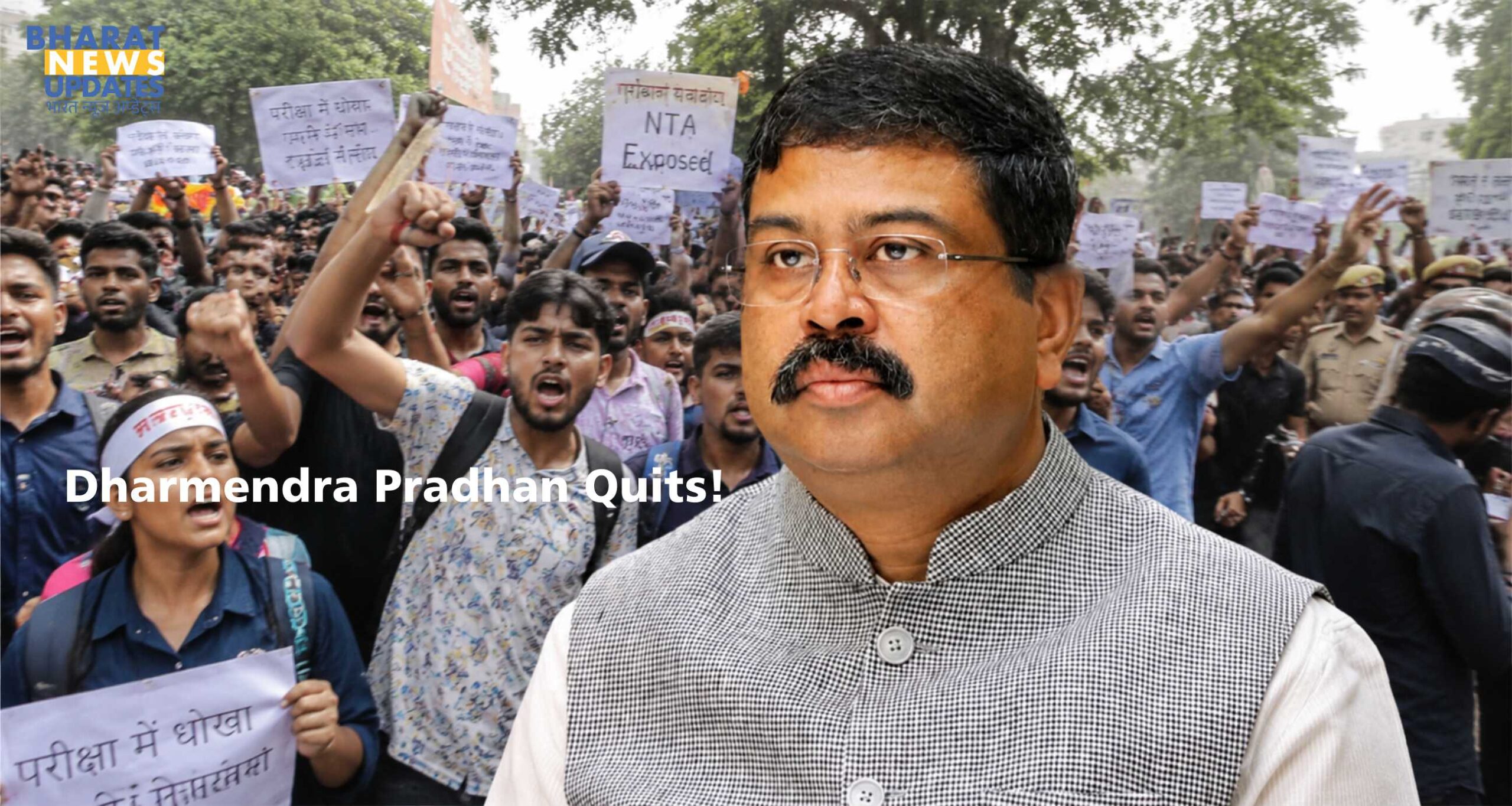
On July 25, 2026, Union Education Minister Dharmendra Pradhan sent his resignation letter to Prime Minister Narendra Modi and the group that broke him wasn’t the Congress, wasn’t a court, and technically isn’t even a real political party. It’s the Cockroach Janta Party. Yes, that’s really its name. And the story of how it got here is stranger, funnier, and more revealing than most of what passes for political journalism these days.
It started with an insult
Rewind to mid-May. Chief Justice of India Surya Kant, speaking during a courtroom hearing about credential fraud among lawyers, reached for an unflattering comparison, describing unemployed young people drifting into activism and social media as “cockroaches,” parasites with nowhere else to go. It was meant as a throwaway line. Within a day, a former Aam Aadmi Party communications strategist named Abhijeet Dipke had turned the insult into a movement, launching a page for anyone who considered themselves unemployed, chronically online, and done with being polite about it. The tagline: voice of the lazy and unemployed. The tone: gallows humor. The target: a government that had spent a decade denying paper leaks even existed.
This is the part most coverage undersells, the movement’s genius wasn’t outrage, it was mockery armored against being taken seriously enough to suppress. You can arrest a protester. It’s harder to arrest a joke.
The ghost of UGC-NET wasn’t a coincidence
If this year’s exam scandal feels like déjà vu, that’s because it is one. The 2024 UGC-NET paper had already been pulled off the darknet and scrapped hours before students sat for it, with a CBI case registered against unnamed suspects and Rahul Gandhi needling Modi that he could broker a Russia-Ukraine ceasefire but not stop a leak inside his own ministry. That fiasco never produced a resignation, only a cancelled exam and a promise to do better. Pradhan survived it. What changed two years later wasn’t the scale of the failure; it was who showed up to answer for it.
The man who wouldn’t eat
Sonam Wangchuk didn’t need an introduction to Indian protest culture as he’s spent years fasting for Ladakh’s constitutional status, once going 21 days in sub-zero temperatures for a cause most of the country had never heard of. When he lent his name and his hunger to the paper-leak movement, something shifted. A satire account became a moral cause. For 26 days he refused food at Jantar Mantar while tens of thousands marched, some getting baton-charged by police on their way to Parliament.
Here’s the uncomfortable detail that got buried under the celebration: Wangchuk didn’t end his fast because the government met his demands. He ended it, by his own account, after “a long negotiation on various conditions” and out of fear that continued escalation could tip into violence. Union minister JP Nadda was one of two ministers physically present when he broke it. That’s not capitulation, that’s a government managing a crisis it could no longer contain by shouting.
The video that arrived too late to look strong
Two months of silence, then a video message at midnight. Modi promised fast-track courts and tougher paper-leak laws, everything except the one word protesters actually wanted to hear. He never said Pradhan’s name. He never said sorry. Congress’s Jairam Ramesh called it a “desperate and hassled-looking” show of a Prime Minister finally forced to speak, and pointed out that the ministry had spent months formally denying to a parliamentary committee that any leak occurred at all.
That’s the quiet contradiction sitting at the heart of this whole episode: the resignation letter itself never admits wrongdoing. Pradhan wrote that he was stepping aside so “anti-national forces” couldn’t exploit the unrest and framing his own exit as a sacrifice for national stability, not an admission that students died and exams were compromised on his watch. Whether that was incompetence, bad luck, or a system too big for one minister to fix is still an open, honest question and conveniently, it’s one his resignation lets him avoid ever answering.
What the cockroaches do now
Within minutes of the resignation, Dipke told cheering crowds: “We are cockroaches, once we enter, we do not leave.” The celebration was real, but so was the fine print. CJP immediately confirmed two demands still unmet: roughly ₹1 crore in compensation for the families of students who died by suicide during the paper-leak crisis, and a guarantee that no protester would face legal action for their role in the demonstrations. Some organizers have gone further, alleging that senior police officials ordered baton charges on the direct instruction of the Home Minister and the Prime Minister, a serious claim that, so far, remains unproven.
Calling for the Prime Minister’s own resignation, though, appears to be a bridge the movement isn’t rushing to cross. Students on the ground told reporters something more interesting than any official statement: the movement no longer needs Dipke or Wangchuk to survive. It has become leaderless by design, a crowd that trusts its shared grievance more than any single face representing it. That, more than the resignation itself, might be the real story: India may have just watched its government get outmaneuvered not by an opposition party, but by a joke that refused to stop being funny until someone listened.