

Iran Refuses Ceasefire, Trump Sets Final Deadline: What Happens Next?
The clock is ticking. As of Monday, April 7, 2026, the United States and Iran are locked in a dangerous standoff — one that could either produce a fragile diplomatic breakthrough or trigger the most severe escalation of their five-week-old war.
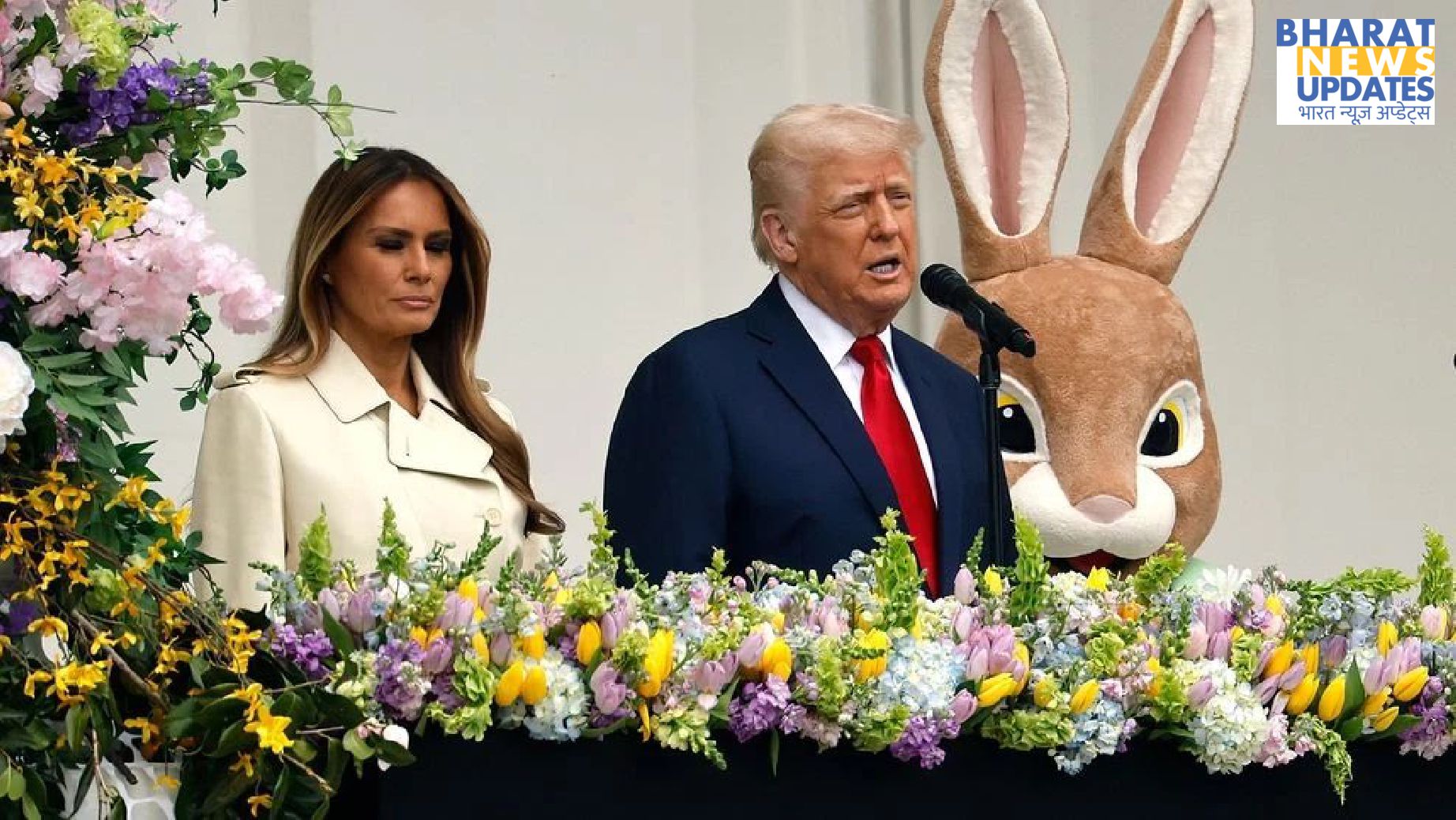
US President Donald Trump, speaking to reporters at the White House Easter Egg Roll, left little room for ambiguity. He indicated that Tuesday at 8 p.m. EDT (0000 GMT) is his final deadline for Iran to reopen the Strait of Hormuz the vital waterway through which roughly a fifth of the world’s oil and natural gas supply flows in peacetime.
“Highly unlikely,” Trump said when asked if he would push the deadline back again. “They’ve had plenty of time.”
This is not the first deadline he has set. Since March 21, Trump has threatened multiple times to blow up Iran’s electricity plants and energy facilities, then deferred each deadline — citing ongoing negotiations that Tehran repeatedly denied were happening. This time, however, Trump insists the line is real.

Iran’s Position: No Temporary Truce
Iran has rejected the proposed ceasefire outright. Instead of agreeing to a temporary halt in fighting, Tehran has called for a permanent end to the war. Its response, delivered through intermediary, outlines broader demands: lifting sanctions, ensuring secure navigation through the Strait of Hormuz, and commitments toward rebuilding war-affected regions.
Iran’s foreign ministry spokesperson Esmail Baghaei put it bluntly: a temporary ceasefire would only allow adversaries to pause and prepare for the continuation of the conflict. Iran’s position is that it wants the war ended entirely— not pressed on pause.
This is a fundamentally different ask from what Washington is offering. The gap between the two sides isn’t narrow — it’s structural.
A Wide Gap Between Both Sides
The divide between Washington and Tehran remains significant. The US is pushing for immediate de-escalation and restoration of maritime traffic through the Strait of Hormuz, a crucial route for global oil supplies. Iran, however, is tying that issue to a broader political settlement.
Trump acknowledged that Iran had put forward what he called a “significant proposal,” but dismissed it as insufficient. That phrasing suggests negotiations are not entirely dead—but they are far from resolution.

Rhetoric Hardens as Deadline Nears
Trump’s rhetoric has escalated sharply. He posted a profanity-laced message on Truth Social threatening to make Tuesday “Power Plant Day and Bridge Day” in Iran, warning that strikes on civilian infrastructure — power stations and bridges— would follow if the Strait remains closed. He has also reiterated his long-standing position that Iran must never acquire nuclear weapons, framing the current conflict around that objective.
At the same time, his comments reveal a mix of pressure and unpredictability. While threatening escalation, he has also left a narrow opening for diplomacy, repeating that he “gave them a chance.”
Analysts have warned that targeting power plants and bridges on a mass scale would almost certainly violate international laws of war.
What the World Is Watching
US-Israeli strikes across Iran and inside Tehran have intensified over the last 24 hours. The intelligence chief of Iran’s Revolutionary Guards was killed in one of those strikes on Monday. The US-Israel war on Iran has killed more than 2,000 people inside the country, while close to 1,500 have been killed in Lebanon, over 100 in Iraq, 24 in Israel, and 27 in Gulf countries.
Oil prices dipped slightly as markets absorbed ceasefire chatter— but traders know that a breakdown could send energy prices spiraling further from their already elevated levels near $110 a barrel.
Analysis: What Happens If the Deadline Passes?
Trump has backed down from his own deadlines twice before. But his language this time is noticeably sharper and more personal. He called Iranian leadership “lunatics” and “animals,” said Iran is “getting obliterated,” and framed the core issue in absolute terms — Iran cannot be allowed to have a nuclear weapon.
If Tuesday’s deadline passes without a deal, the most likely scenario is a significant escalation of US-Israeli strikes on Iranian energy and civilian infrastructure. Whether Trump would go as far as targeting power grids and bridges — moves his own military and legal advisers would likely caution against— remains the critical unknown.
There is also the diplomatic wild card: Trump has acknowledged Iran made “a significant proposal,” even if he says it falls short. That language suggests the door is not fully closed. The 45-day ceasefire framework pushed by intermediaries could still give both sides a face-saving exit.
But the window is closing fast. And this time, the world is not certain Trump is bluffing.